We had a six-day, five-night trip in the third week of November to Neora Valley National Park and East Sikkim via Zuluk through the Silk Route till Gangtok. This was a fabulous travel experience, and I will briefly touch upon these below.
Neora Valley National Park
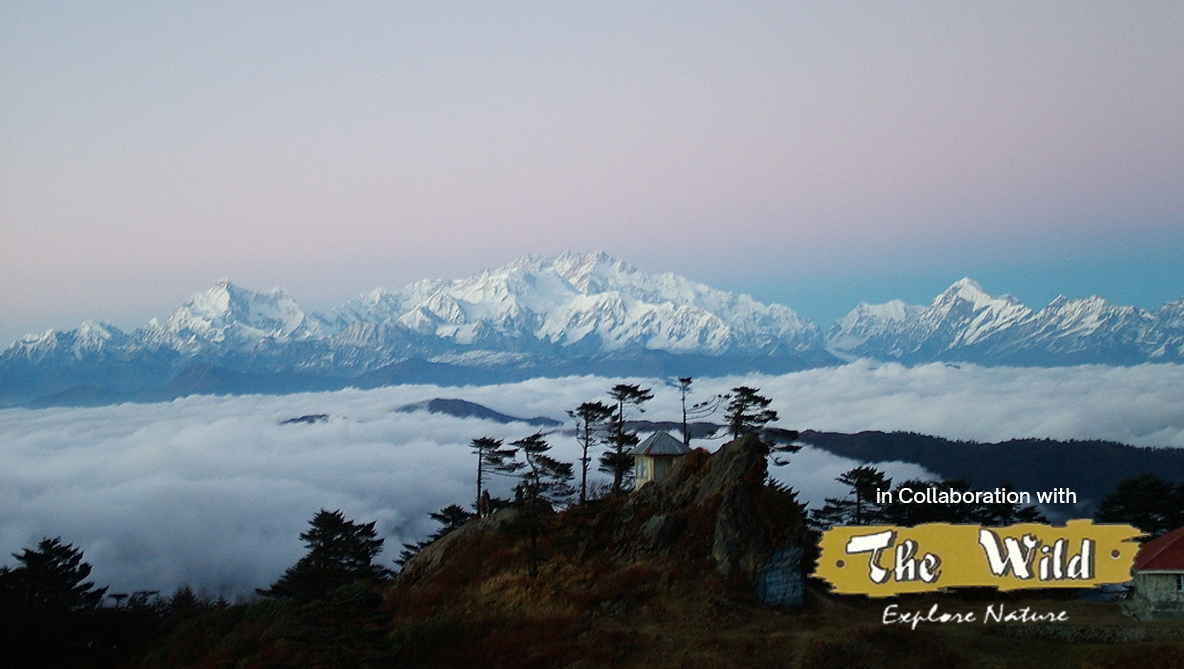
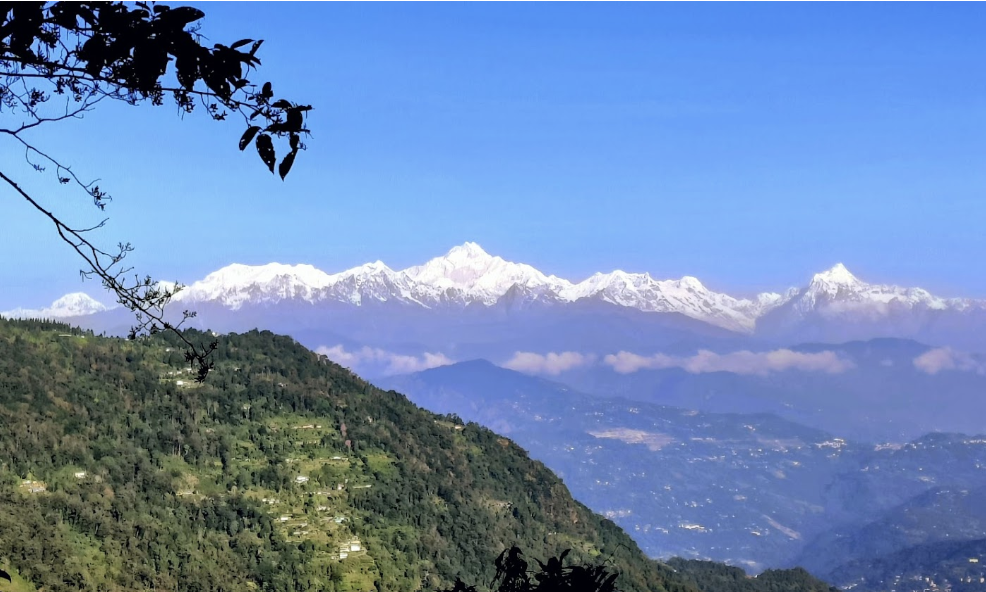
Neora Valley National Park is a sprawling reserve forest that spreads across an area of about 88 sq. km. It is situated near Lava in the Kalimpong district of West Bengal. The park is bordered by the forests of Sikkim on one side and by Bhutan on the other, with majestic Mt. Kanchenjunga in the backdrop.
This was our second visit this year, and the experience has been mesmerizing to say the least. Rich in biodiversity and with spectacular mountain views, this forest is paradise on earth, as some of its territories are still inaccessible to human touch.
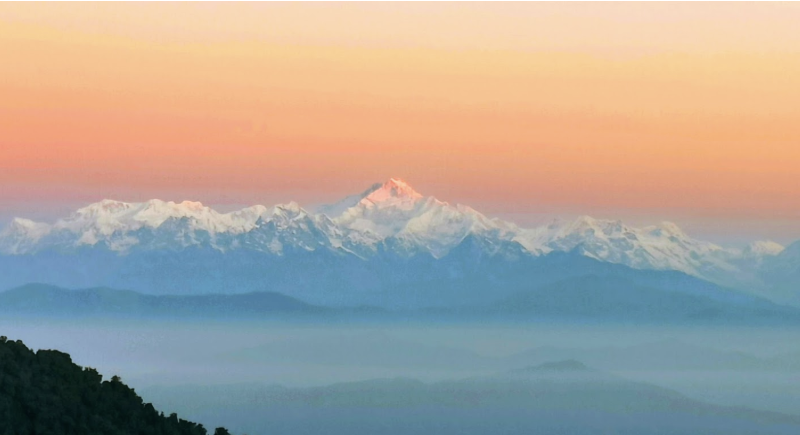
We visited Rachela Peak, which is the highest point of the valley at 10,300 ft. From here, we experienced a breathtaking view of Mt. Kanchenjunga, with its pristine whiteness receiving the first crimson rays of the rising sun. This was an experience of a lifetime, as one can get a 270-degree view of the entire Himalayan range with Mt. Kanchenjunga at the center.
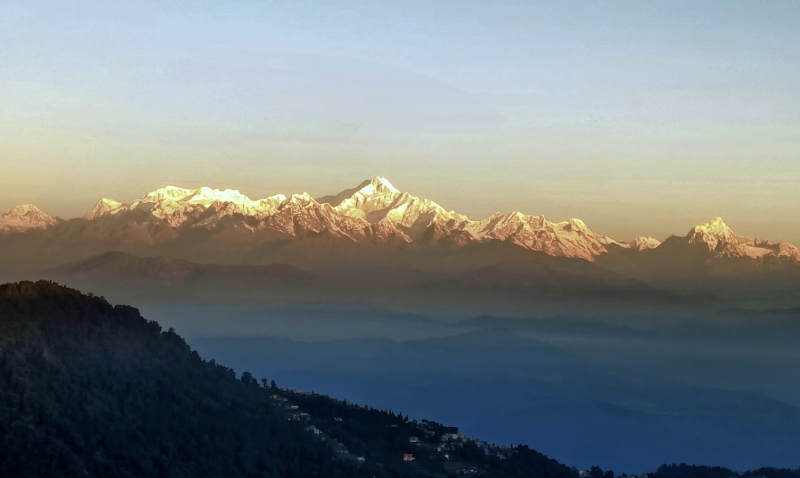
After sunrise, Mt. Kanchenjunga turned golden, and it was a truly fascinating sight to behold.
Aritar
From Neora Valley, we proceeded to Aritar in East Sikkim. It has a natural lake at an altitude of 4,600 ft., surrounded by lush greenery and pine forests, and a small shrine dedicated to Guru Padmasambhava on its banks. It was quite a pleasant experience.
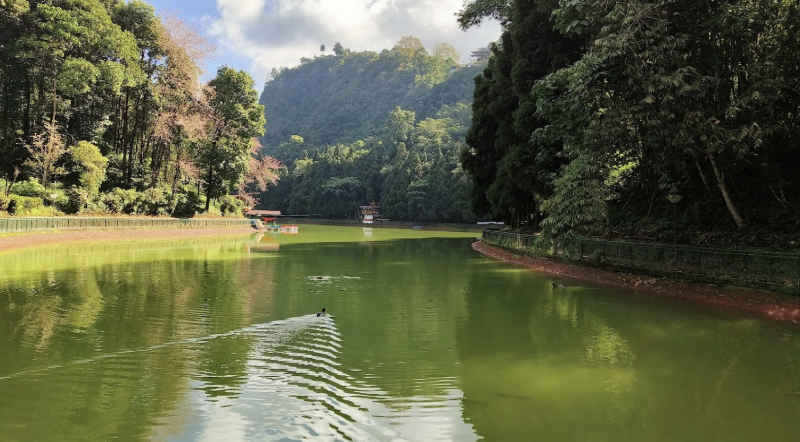
Aritar also boasts a beautiful view of a valley surrounded by the tall mountains of East Sikkim.
Padamchen
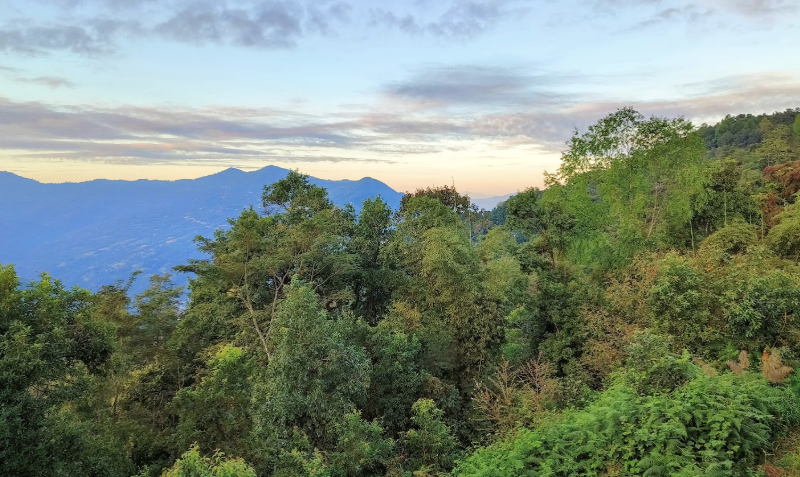
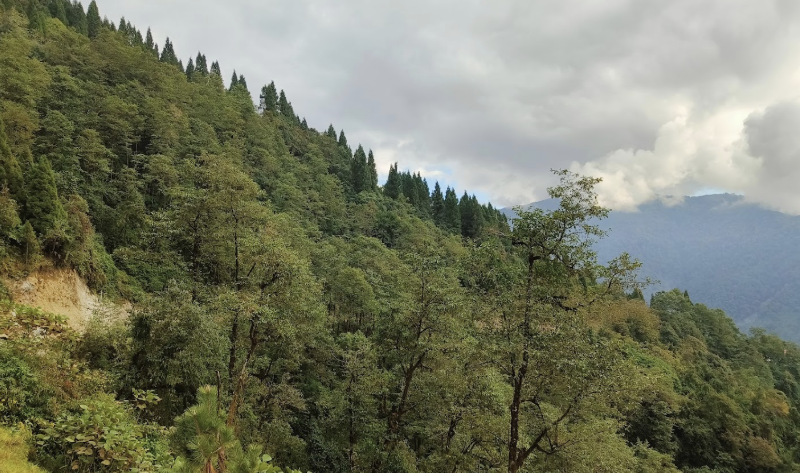
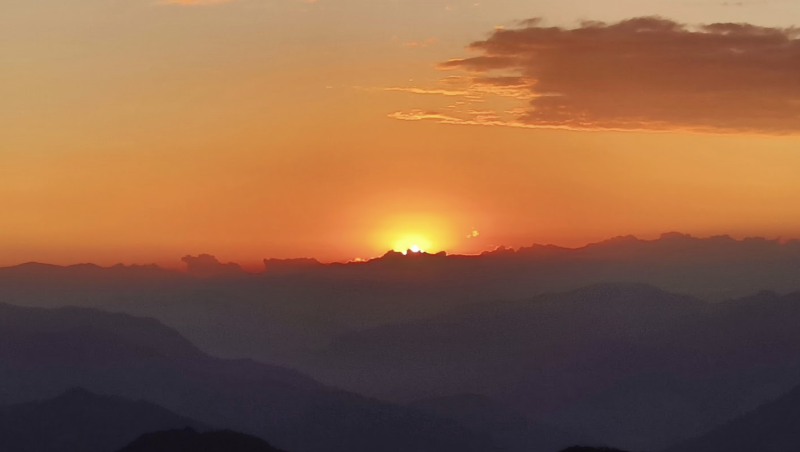
Our next stop on our way to the Silk Route was Padamchen. It is a small village tucked away at 8,300 ft. It is covered with dense pine forests, and we witnessed a beautiful sunset at this altitude.
Silk Route
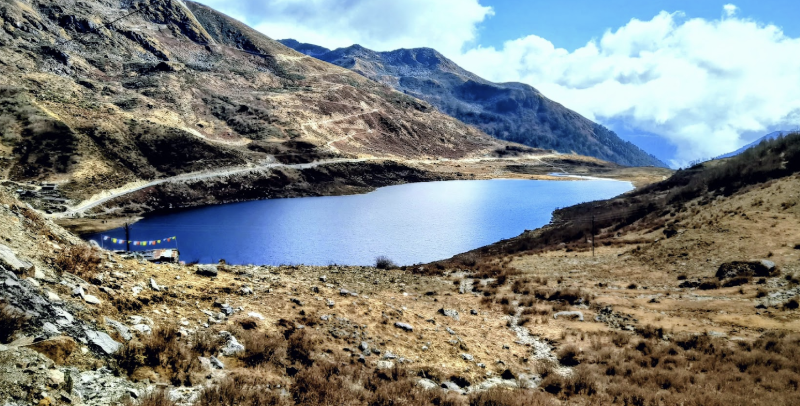
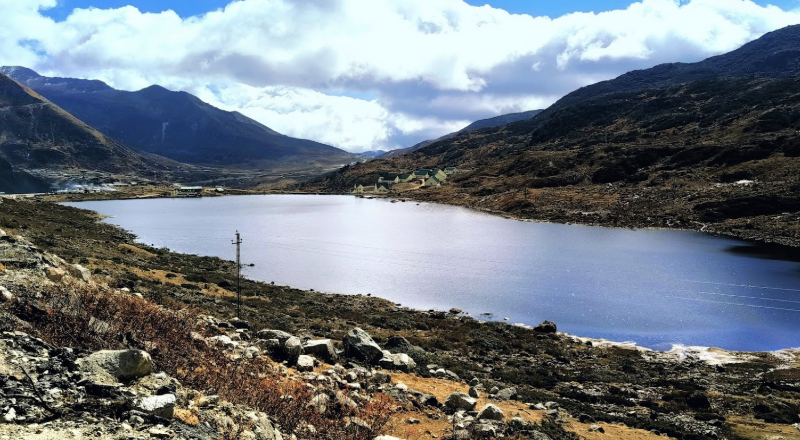
The next day, we were off to the Silk Route in East Sikkim. This route is famous for its zig-zag roads at a high altitude of 12,500 ft., with stunning views of the Himalayas, including Mt. Kanchenjunga. This was a lifetime experience for us. A well-maintained road meandered through many hairpin bends and went past rugged mountains and some natural high-altitude lakes like Lake Kupup, Changu (Tsongo) Lake, and Nathang Valley. It was quite cold and windy, with blue skies, floating clouds, and bright sunshine. Since it was autumn, the region had not experienced any snowfall yet. I am told that from December to February, the upper reaches of East Sikkim experience heavy snowfall and the brownish terrain turns white.
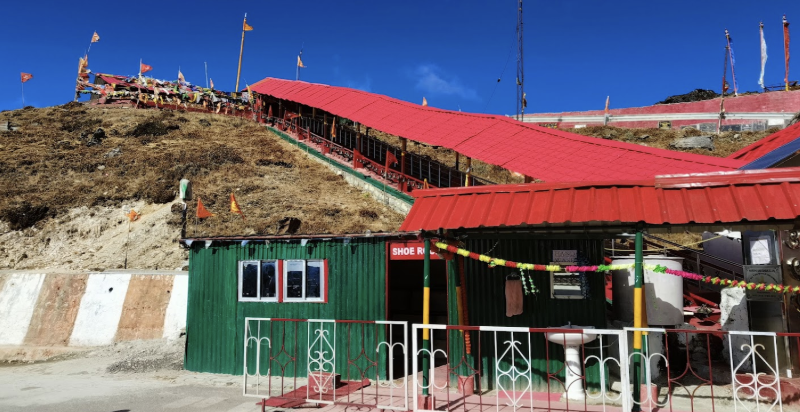
The road went past Old Baba Mandir (Altitude: 13,123 ft.). Old Baba Mandir is dedicated to Baba Harbhajan Singh, the martyr of the 23rd Regiment of the Indian Army. It is the original bunker where Baba stayed during the Indo-China War in 1962. The temple is maintained by the Indian Army.
Gangtok
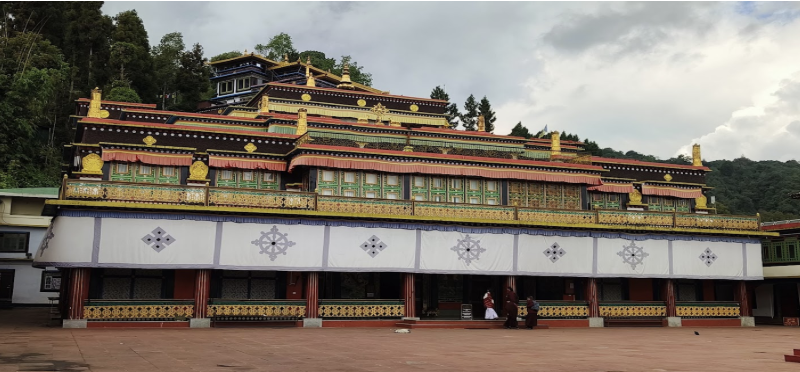
The trip ended at Gangtok, the capital of Sikkim. Here, we had the opportunity to visit Rumtek Monastery. It is the largest monastery in Sikkim and serves as a center for the study and practice of Buddhism. The monastery is also famous for its Tibetan architecture.
Overall, it was a memorable travel experience for us, wherein we had a ringside view of beautiful Sikkim, perched in the lap of the mighty Himalayas with its pristine beauty.
Author