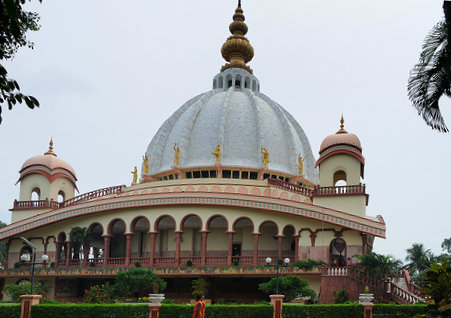
Some journeys feel planned, and some feel like they are slowly revealing a story as you move through them. Tripura was the latter. What started as a visit during Basanti Puja soon unfolded into a deeper understanding of faith, history, and a royal legacy that continues to shape the region even today.
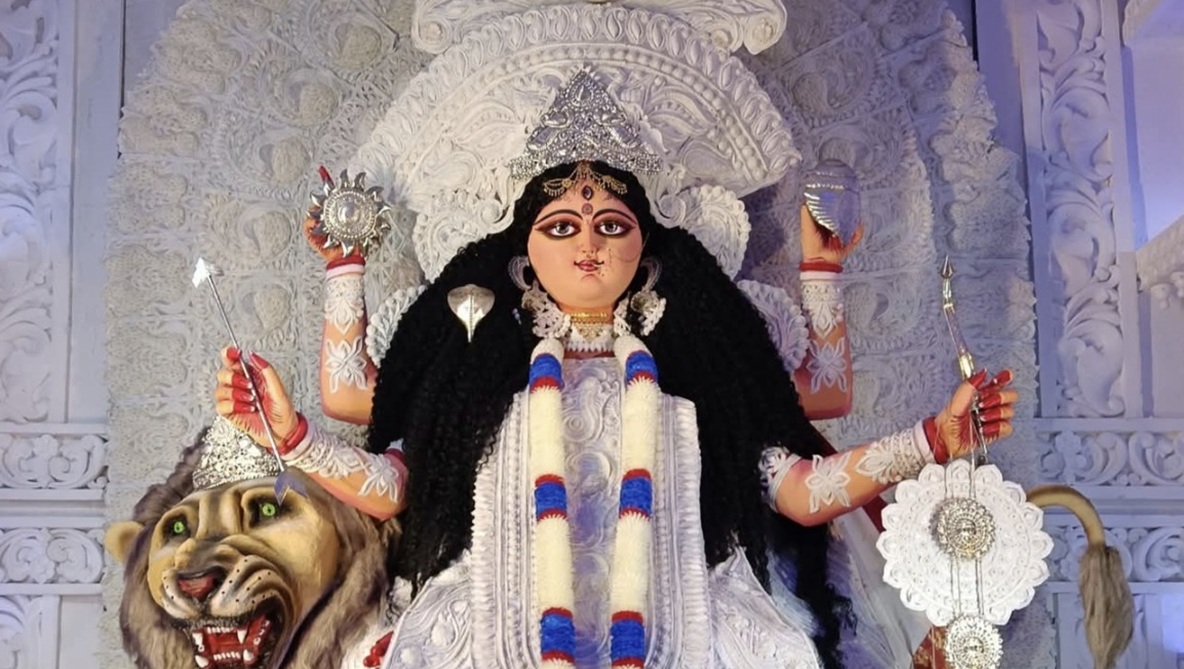
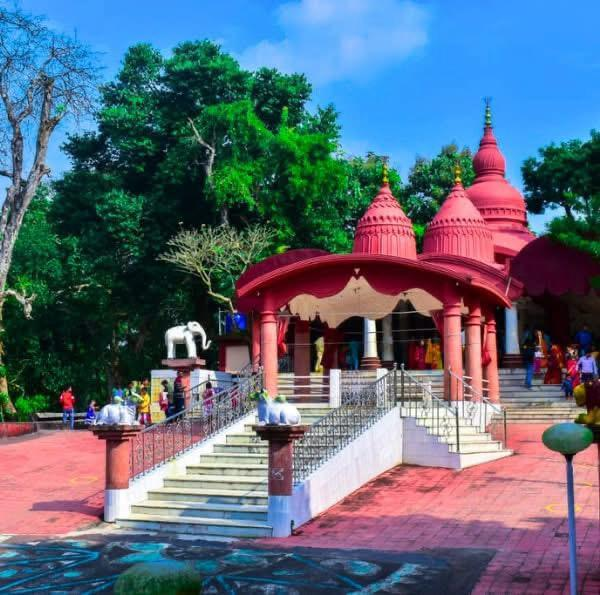
In Udaipur, the Tripura Sundari Temple stands as one of the 51 Shaktipeeths, and also as a significant marker of the Manikya dynasty. It is believed that Maharaja Dhanya Manikya was guided by a divine dream, where the goddess instructed him to establish her temple at this very site. According to Hindu mythology, the right foot (or right leg) of Goddess Sati fell at the Tripureswari Temple in Tripura, making it one of the 51 sacred Shakti Peethas. What followed was not just the construction of a temple, but the beginning of a spiritual centre that continues to draw devotees from across the country. The idol of Tripureswari, considered one of the most revered forms of the goddess, holds deep significance, and the temple itself reflects a blend of devotion and royal patronage that has endured over centuries. On September 22, 2025, Prime Minister Narendra Modi inaugurated the redeveloped and refurbished Mata Tripura Sundari Temple (also known as Matabari) in Udaipur, Gomati district, Tripura. The redevelopment project, aimed at making the 524 year old temple more accessible, inclusive, and modern, was completed under the Central Government’s PRASHAD (Pilgrimage Rejuvenation and Spiritual, Heritage Augmentation Drive) scheme.
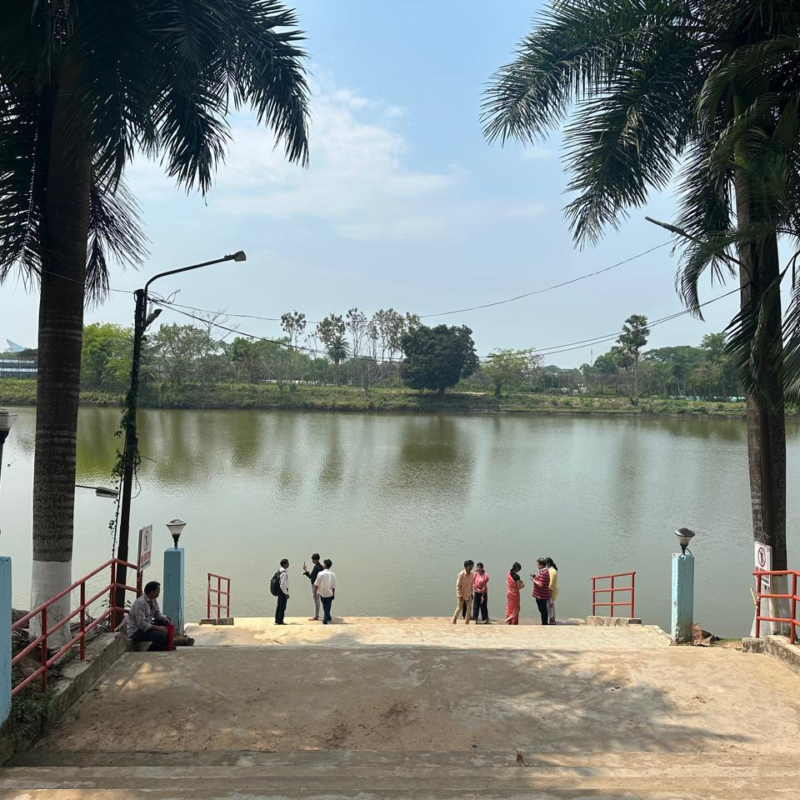
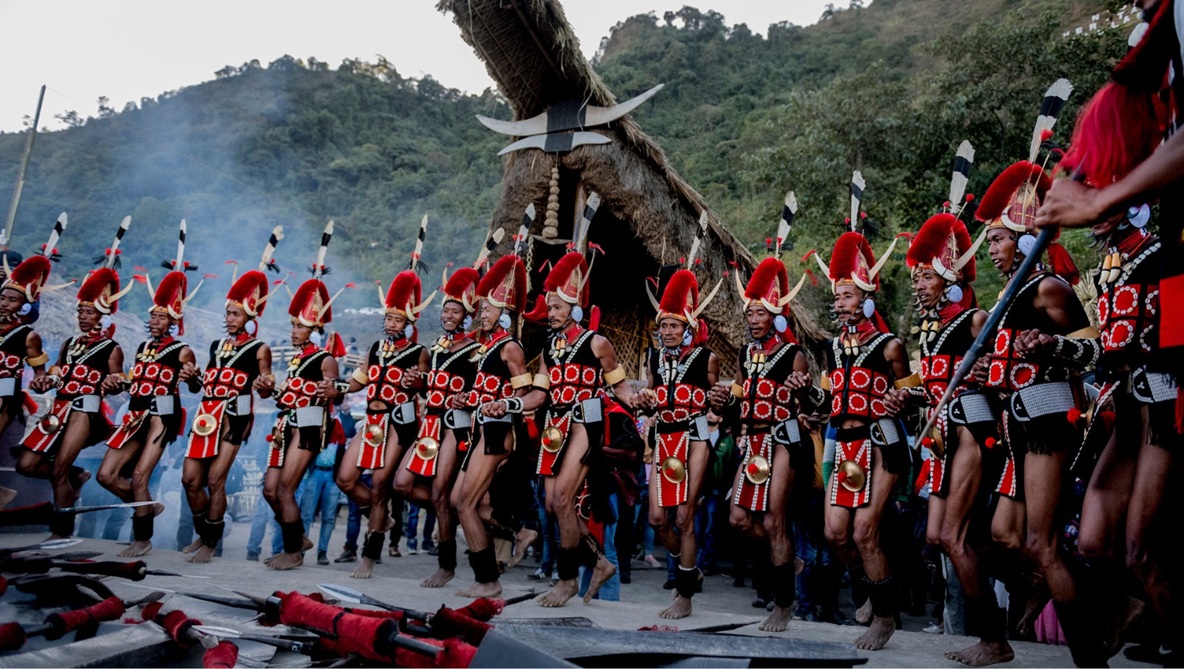
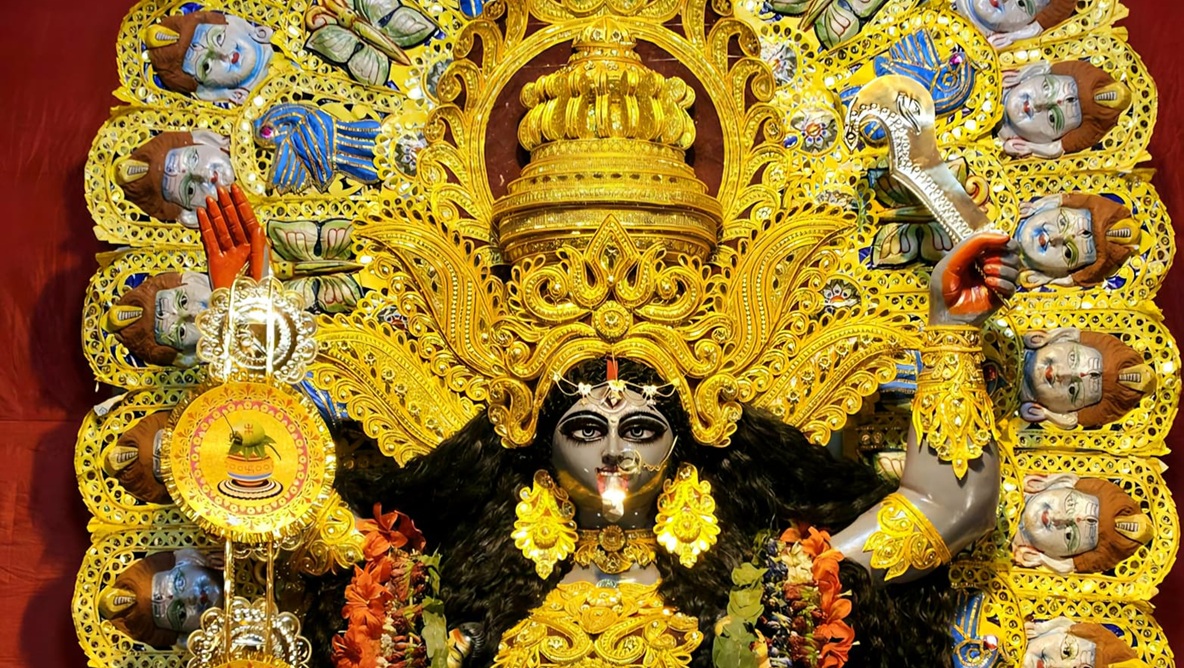
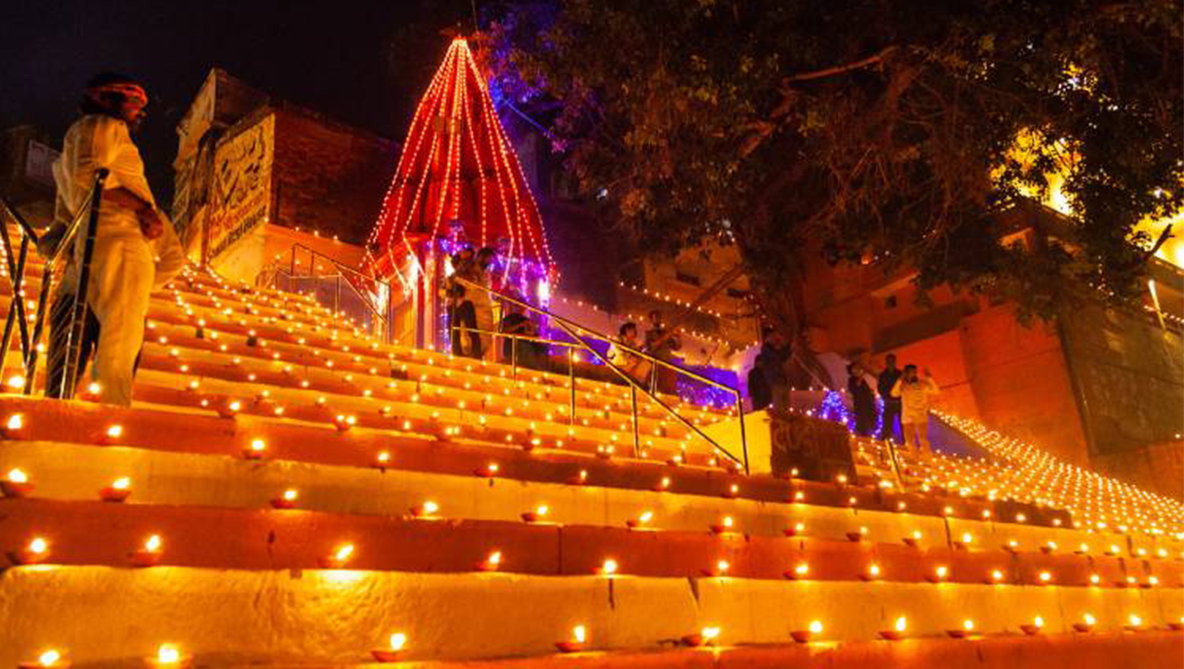
Shaktipeeth Stories: Exploring Faith, Dynasty, and Tradition in Tripura – Photos by Author
As we travelled back to Agartala at Kamalasagar, the Kasba Kali Bari sits beside a vast lake, continuing the same thread of history. This temple too is linked to the Manikya rulers, with Maharaja Dhanya Manikya credited for its origins, later maintained and supported by the royal lineage. Standing there, what truly stands out is its location. Just across the lake lies Bangladesh, with only a stretch of water separating the two. The Kamalasagar Kali Temple also stood securely during the 1971 Bangladesh Liberation War, despite its proximity to the border, and remains a symbol of the region’s cultural heritage and resilience during that time. It may not be a Shaktipeeth, but it holds its own place in the larger story of Tripura’s royal and spiritual history.
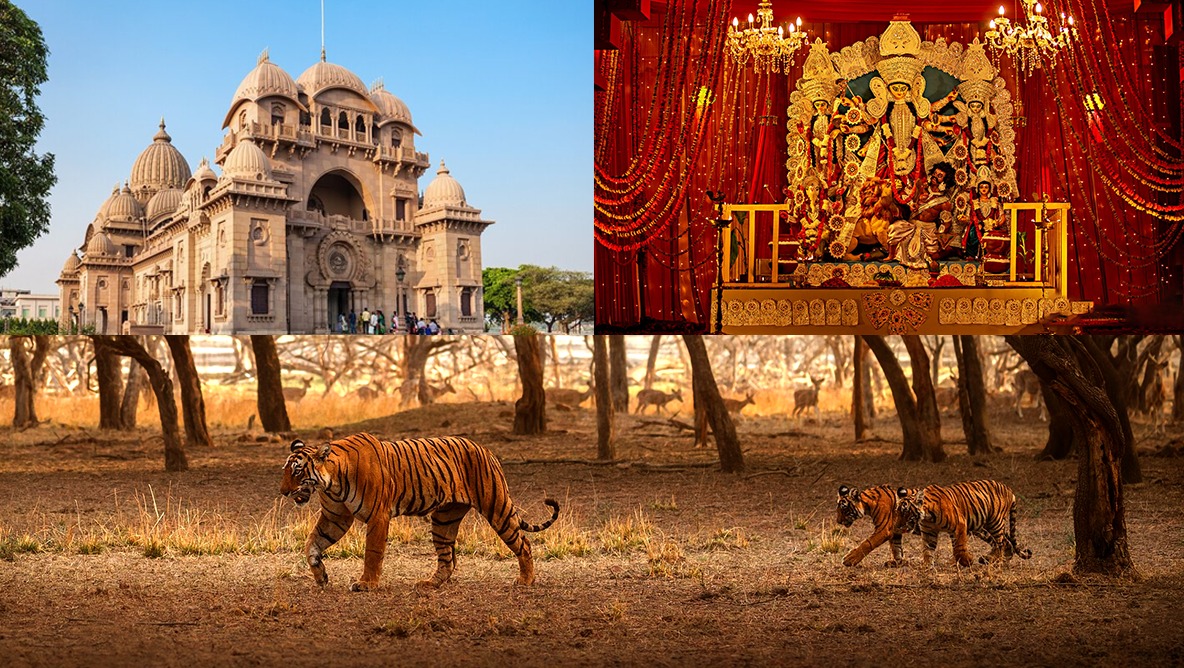
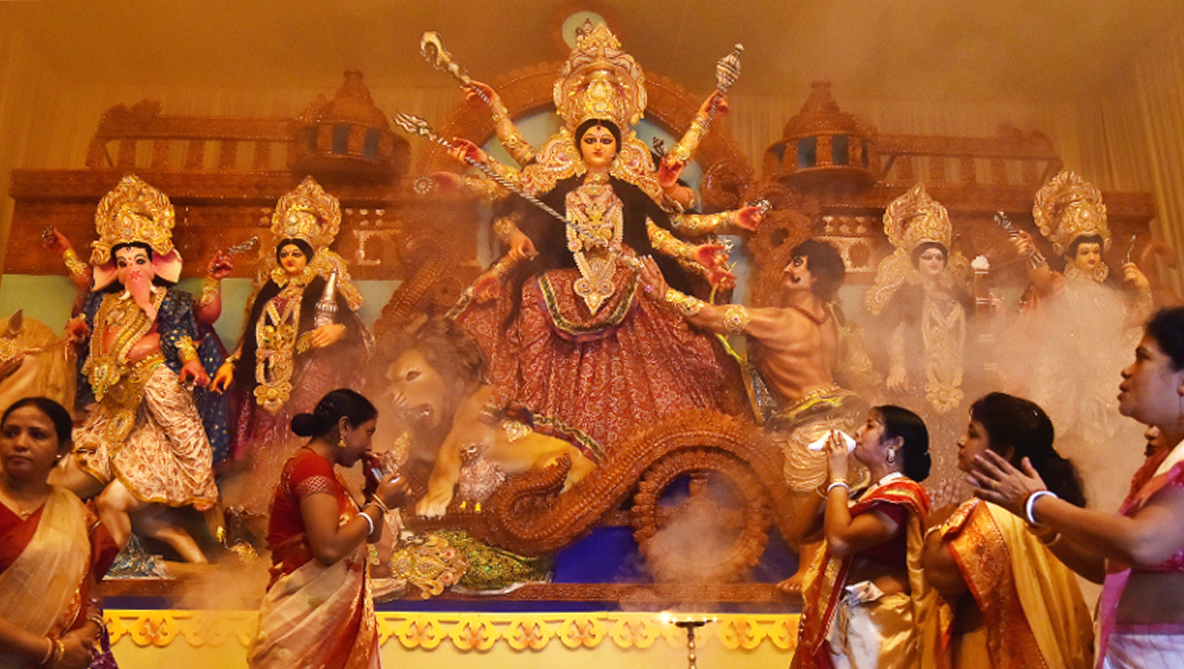
The experience of Basanti Puja during Chaitra Navratri brought everything together. At Durga Bari, preparations and rituals carry a distinct sense of continuity. There is a sense of anticipation, almost like the space itself waits all year for these few days. The goddess here is worshipped in a two handed form, which is unique and rooted in tradition. Historically, this temple has been closely associated with the royal family of Tripura, and even today, the puja is conducted at a state level regardless of the government in power. Yet, at its core, it remains a reflection of the traditions established during the Manikya dynasty, continuing practices that have been followed for generations.
Alongside this, experiencing a ghar ka Durga Pujo added another dimension to the journey. At one of our patron’s homes, the celebrations felt deeply personal. The Dhunuchi Naach, performed with such energy and rhythm, brought everyone together in a way that felt effortless. It wasn’t just about observing a ritual, it was about being part of it. The music, the movement, the shared space, everything came together to create a sense of belonging that stayed with us long after.
What stood out across these experiences was how closely everything is tied to the royal heritage of Tripura. The temples, the rituals, the way festivals are celebrated, all carry the imprint of the Manikya dynasty. Visiting these spaces during Basanti Puja offered a glimpse into how these traditions were once lived and continue to be carried forward, not as something preserved in the past, but as something actively practiced.
As the journey came to a close, it wasn’t just about the places we had visited, but the collective feeling of community and acceptance that stayed with us. We prayed to the god to bless all of us and look forward to it happening next year, and with praise to the goddess, we ended our experience of the Shaktipeeth and faith series.
Asche Bochor Abar Hobe.