おはよう (Ohayō). Good morning. That phrase lodged in our brain from day one in Japan. Even now, a week later, it kicks off our day like an echo from the trip.
We arrived in Tokyo with that unmistakable first-time excitement, beginning at Tokyo DisneySea—a place where joy came easily and strangers began to feel familiar. The group moved with a kind of shared rhythm, sometimes splitting, sometimes coming back together, but always held together by an underlying sense of ease. It was a lively start, yet everything—from pickups to movement—felt quietly well-managed, allowing us to simply be present.
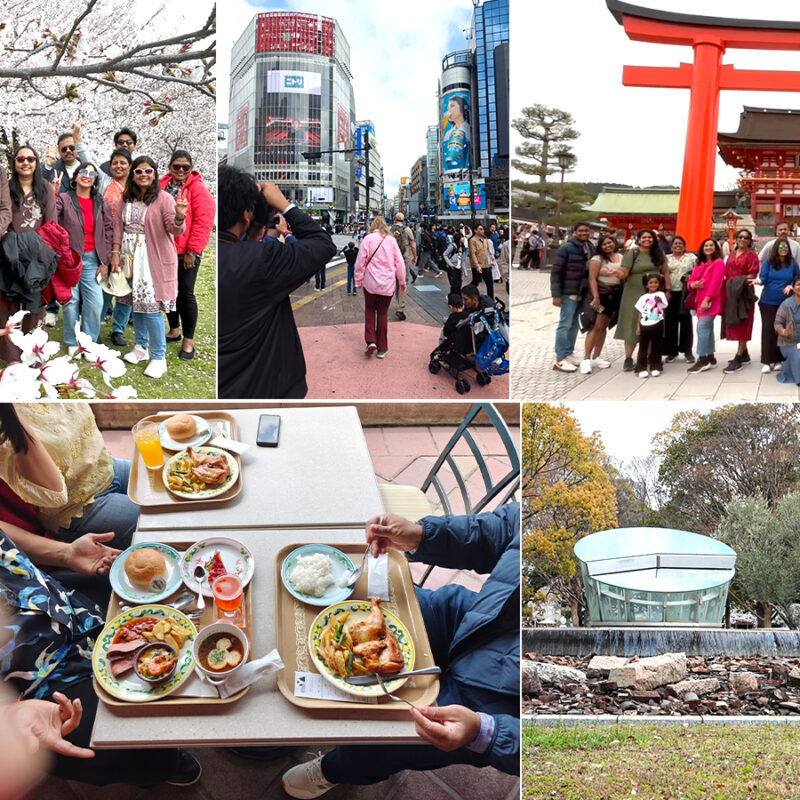
The city unfolded through moments—standing at Hachikō Memorial Statue, crossing the tide at Shibuya Crossing—before we stepped into something entirely different at teamLab Planets.
Photos by Author
At TeamLab, the experience felt almost unreal. We walked through spaces where light moved with us, flowers bloomed and dissolved around us, and reflections shifted with every step. For a while, the outside world disappeared. The group spread out into different rooms, yet kept finding their way back—pointing, laughing, trying to describe what we had just seen, often failing because some experiences are simply meant to be felt. It was immersive, but also thoughtfully navigated—assisted movement, clear pathways, and gentle pacing ensured that even in a sensory-heavy environment, comfort was never compromised.
But somewhere along the way, the journey shifted.
It was when we boarded the Shinkansen.
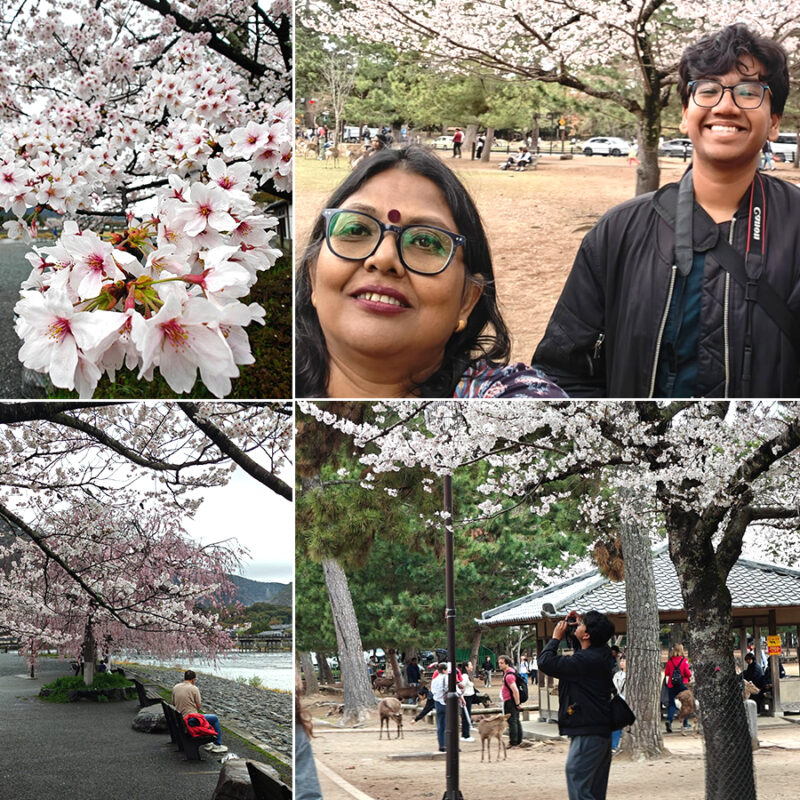
There is something almost poetic about the Shinkansen. As it glided effortlessly from Tokyo to Kyoto, then onward to Osaka and Hiroshima, it carried us not just across cities, but through the heart of the Sakura season. Outside the window, cherry blossoms appeared like fleeting whispers—lining rivers, softening towns, and dissolving into the horizon before we could fully hold onto them. Inside, everything was calm, precise, and comfortable—minimal effort, smooth boarding, no rush—making long journeys feel light, almost meditative.
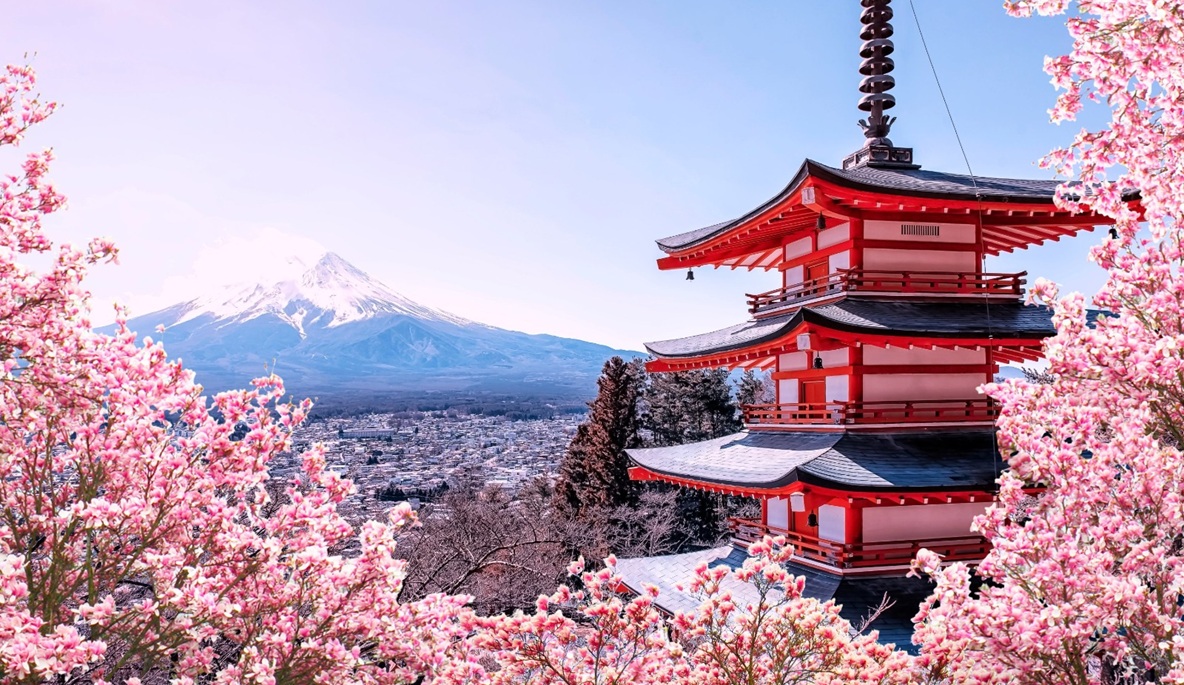
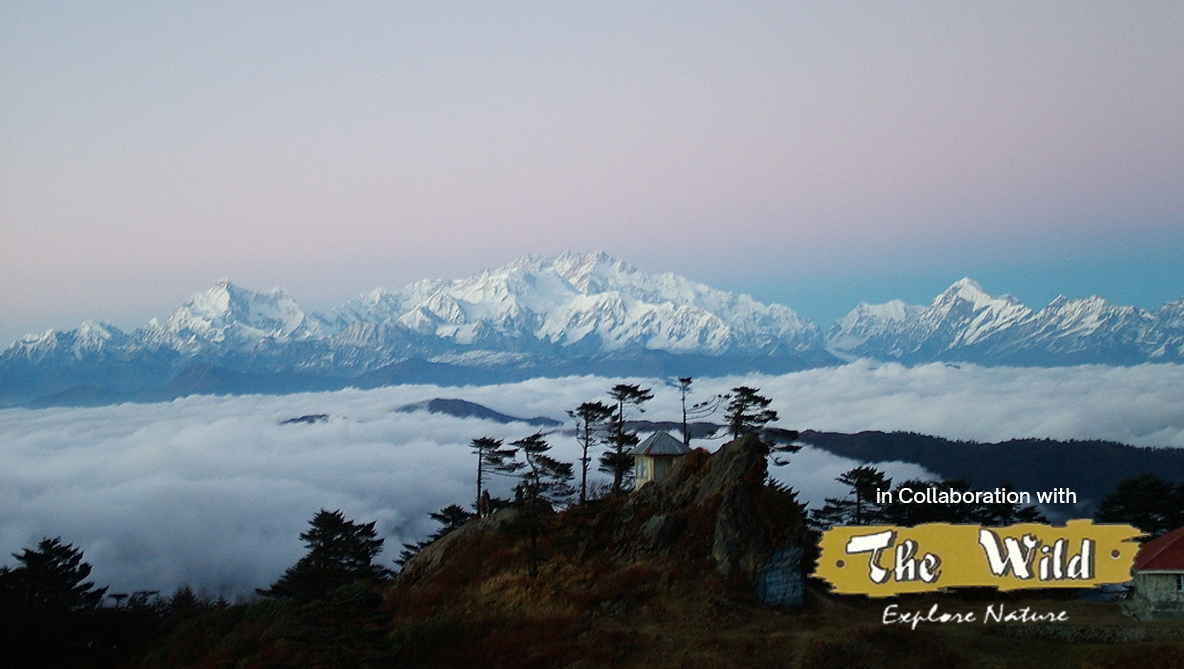
Before leaving Tokyo behind, we found ourselves standing in front of Mount Fuji.
It did not demand attention—it simply held it.
Framed by soft pink budding blossoms, Fuji stood still and certain, while around it the Sakura moved gently with the wind. There was no hurry here. We paused longer, walked slower, and simply looked. The experience was not crowded with activity, but thoughtfully spaced—allowing everyone to take it in, at their own pace.
Not far from there, at Oshino Hakkai, the experience turned almost surreal.
The ponds—clear, still, almost unreal—held perfect reflections of the sky and the blossoms above. Sakura petals floated on the surface, barely disturbing the water. The group, usually animated, grew quieter here. We moved gently, almost instinctively, as if the place asked for it. It wasn’t something to rush through. It was something to sit with. And the way the day was structured—unhurried, accessible, with natural pauses—allowed exactly that.
Kyoto carried this stillness forward. Temples, pathways, and shrines softened by falling petals made time feel slower. The journey here was never about covering ground quickly, but about moving comfortably, resting when needed, and absorbing fully.
Then came moments like Nara Deer Park—where laughter returned easily. Deer wandering freely, bowing gently, sometimes mischievous, sometimes calm, brought out joy in everyone. Under cherry blossoms and ancient lanterns, we found ourselves simply standing, watching, smiling—caught between playfulness and quiet.
Osaka brought energy back—lights, food, and the hum of the streets—but what stayed with us were the people. The driver’s warm smile, the quiet pride of workers, the simple act of saying thank you each day—these became small rituals that grounded us. They were not planned highlights, but they became some of the most meaningful parts of the journey.
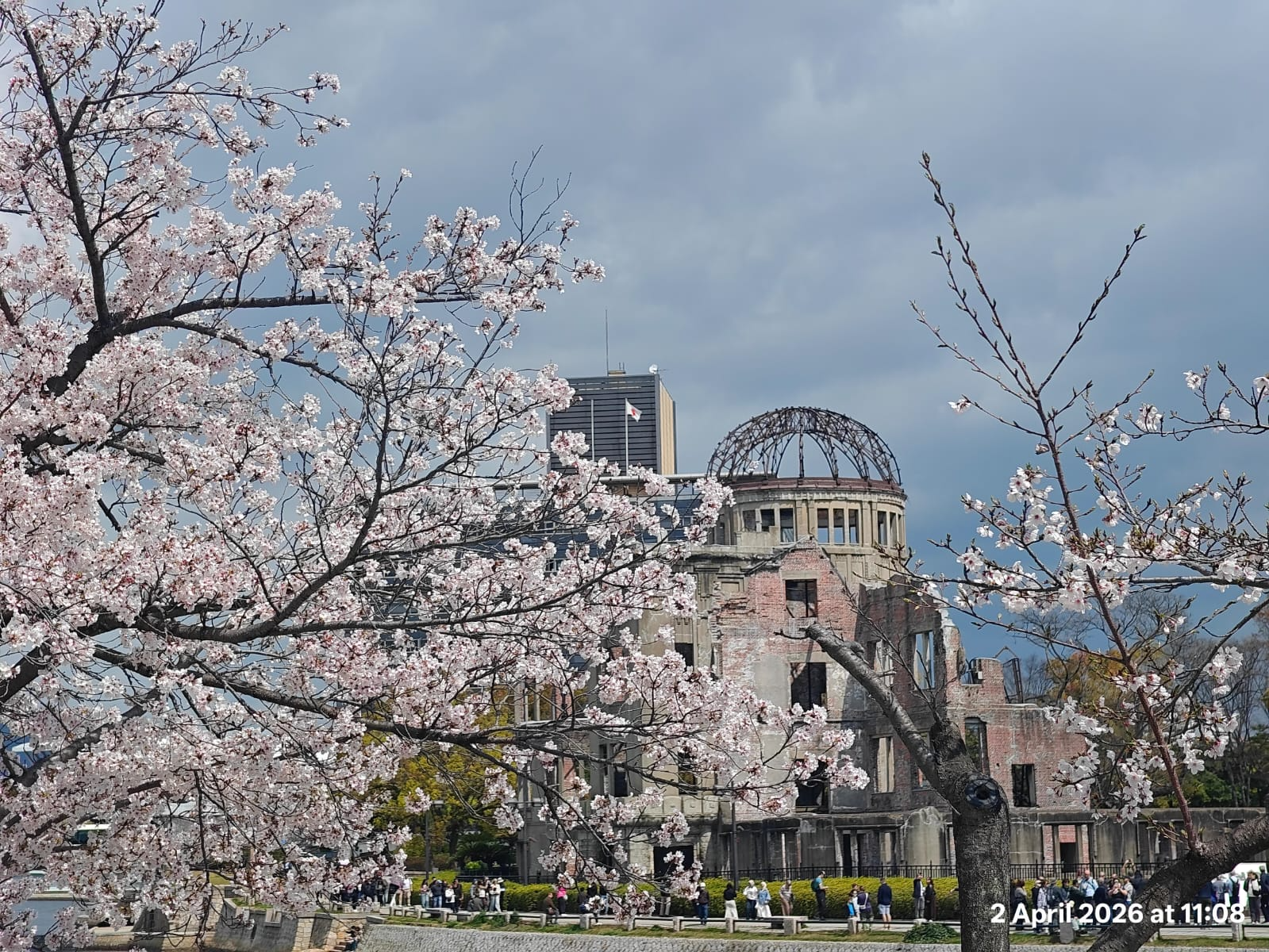
And then, the final stretch—to Hiroshima Peace Memorial Park.
Photos by Author
The Shinkansen ride felt quieter. The Sakura still followed us, but softer now. By the time we arrived, the group had changed. Conversations slowed, steps softened. The silence at Hiroshima was not empty—it was full. Full of history, reflection, and an unspoken understanding. The time given here, the space to simply stand and absorb, was perhaps one of the most important forms of care in the entire journey.
By the end, what had started as a group of strangers had become something closer—an extended circle. We had walked thousands of steps, shared meals, passed water bottles, laughed at small moments, and slowed down when it mattered.
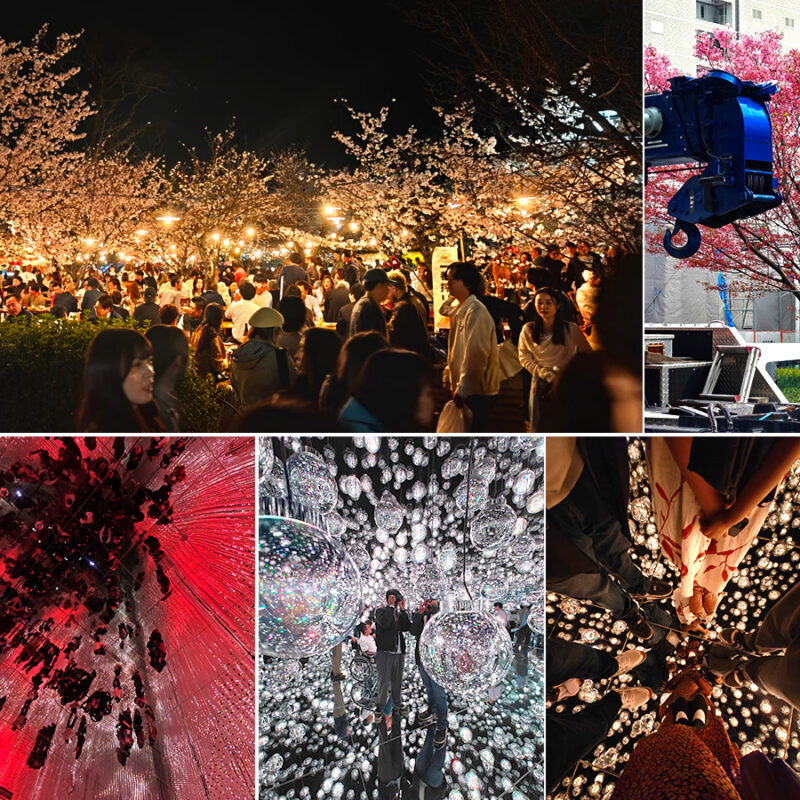
Photos by Author
The cherry blossoms, blooming across cities, became more than a visual memory.
They became a way of experiencing the journey itself.
Gentle. Fleeting. Meant to be noticed.
And through it all, what remained constant was not just where we went—but how we moved:
- With ease, not urgency
- With pauses, not pressure
- With support, not strain
Japan gave us Sakura, landscapes, and stories.
But what stayed with us was something quieter—
The feeling of being cared for, even in motion.
ありがとうございました (Arigatō gozaimasu). For the group glue, for the lessons, and for the quiet that stays with you long after the petals fall.
About The Curators